

Residential Care for Multiple Sclerosis
Receiving a multiple sclerosis (MS) diagnosis is a significant life transition that inevitably brings new considerations about living arrangements and care needs. Whether managing new or worsening symptoms, or navigating the disease onset, many people begin exploring specialised care homes or supported living environments designed to provide safety, comfort, and expert support for this chronic neurological condition. This article is for those looking to find the right care setting for themselves or loved ones with MS. We explain the types of care homes and supported living options available, the importance of a skilled healthcare team, how personalised care can manage symptoms, and what to expect from a supportive living environment.
Understanding Multiple Sclerosis Care: Homes and Supported Living
Multiple sclerosis affects the immune system’s attack on the brain and spinal cord, causing neurological symptoms like fatigue, mobility challenges, vision problems, cognitive changes, and nerve damage. As symptoms fluctuate or become more severe, additional daily support may be needed to maintain safety and independence. Symptoms of multiple sclerosis can vary widely. Some people experience only mild symptoms, while others have more severe or fluctuating symptoms of MS. Symptoms of MS may include fatigue, numbness, weakness, vision loss, and cognitive impairment. Mild symptoms may resolve on their own, but more severe symptoms can significantly impact daily life.
Care homes specially tailored for MS offer 24-hour nursing and personal care with a team trained to manage multiple sclerosis symptoms, including severe attacks and cognitive impairments. These facilities often provide spacious private rooms, accessible bathrooms, and adapted communal areas designed for wheelchair access and mobility aids. Social activities, therapy suites, and emotional support services create a welcoming environment that fosters wellbeing and reduces isolation. Some care homes also provide respite stays for temporary relief to family carers. There are different types of MS, including primary progressive MS, secondary progressive MS, relapsing remitting MS, and progressive MS, each with a unique disease course and care needs. Most people with MS have a normal life expectancy, and life expectancy is only slightly reduced on average.
Building a Specialist MS Healthcare Team in Care Settings
Expert care for MS requires collaboration between neurologists, MS nurses, therapists, including physical therapy and occupational therapist team members, and mental health professionals. Specialist care homes usually have multidisciplinary teams overseeing complex care needs, including symptom management and disease progression monitoring.
Nurses and carers trained in neurological disorders understand the unique challenges of MS, such as managing fatigue, muscle spasms, speech difficulties, and cognitive symptoms. These teams are skilled in helping to manage symptoms across different stages, including clinical ms. Regular physiotherapy and rehabilitation services available onsite help maintain mobility and function. In some specialist neurological care homes, access to consultant neuropsychiatrists and clinical psychologists supports mental wellbeing, including support for residents with cognitive impairment. Whether in a care home or supported living arrangement, care teams aim to personalise care plans that balance medical treatment, therapy, and quality of life, adapting flexibly to changes in symptom severity and independence.


Features to Look For in MS Care Homes or Supported Living
When searching for a care home or supported living environment for MS, consider these key features to ensure a suitable match:
Specialist knowledge of MS and neurological disorders among staff
Comprehensive symptom management, including physical, cognitive, and emotional support, with a focus on helping residents manage symptoms
Safety adaptations like handrails, stairlifts, and wheelchair accessibility, including features to help residents manage changes in body temperature that can affect symptoms
Private spacious living areas with appropriate equipment (e.g., hoists, accessible bathrooms)
Access to physiotherapy, physical therapy, occupational therapy, and rehabilitation services
Social and recreational activities tailored to residents' interests
Flexible care plans that adjust to disease progression and exacerbations
Family involvement policies and visiting opportunities to maintain social ties
Nutritional support for MS symptoms, such as swallowing difficulties
Exploring facilities that offer respite care can also help families plan short breaks while ensuring continuous, specialised support for their loved ones.
Creating a Comforting and Supportive Living Environment
A well-designed living environment supports independence and dignity. Many MS care homes emphasise warm, homely atmospheres rather than institutional settings. Access to outdoor spaces, quiet rooms, and communal areas encourages social interaction and mental stimulation. Personalised care also encompasses emotional support and companionship, essential for reducing feelings of isolation common among people living with MS. Encouraging hobbies, music, creative activities, and cognitive engagement promotes a sense of identity beyond the diagnosis.
Balancing Treatment and Quality of Life in Care Homes
Administering disease-modifying therapies alongside symptom management to manage symptoms effectively requires coordinated care. Specialist care homes monitor medication effects and promptly respond to new or worsening symptoms, such as severe attacks or cognitive impairment that may need immediate intervention. At the same time, care approaches focus on maintaining daily routines and meaningful activities, such as physical therapy, that help maintain function and enrich life experience.
Selecting the right care home or supported living option for someone with MS involves understanding their evolving needs and finding a setting that offers expert clinical support combined with compassion and respect for personal preferences. Through specialist care, personalised support, and a welcoming environment, individuals with MS can find comfort and confidence to face their unique neurological journey. Receiving a multiple sclerosis (MS) diagnosis often leads to important decisions about care and living arrangements. For many people, exploring specialist care homes or supported living options is a key step to ensure safety, expert symptom management, and personalised support in a comfortable environment.
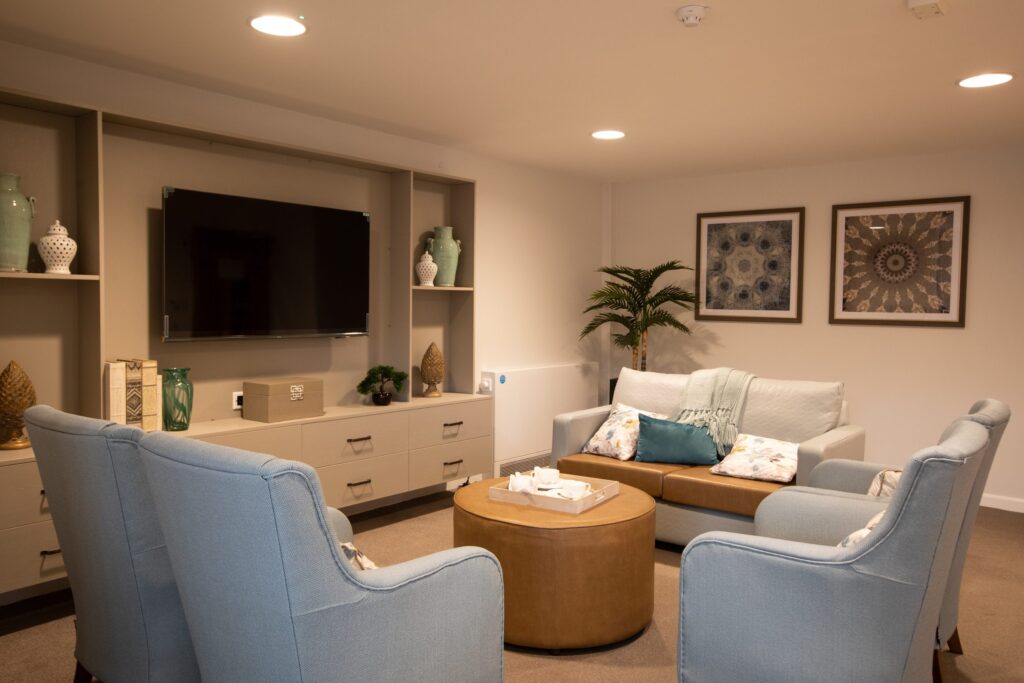
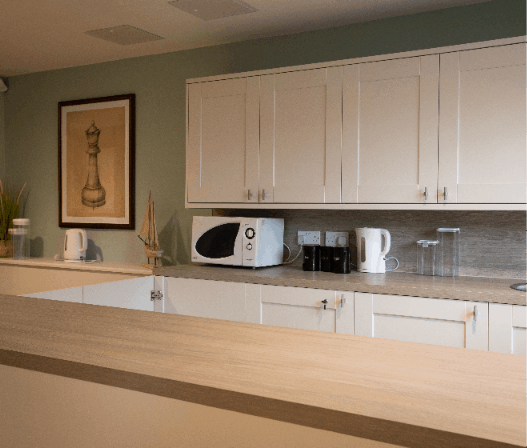
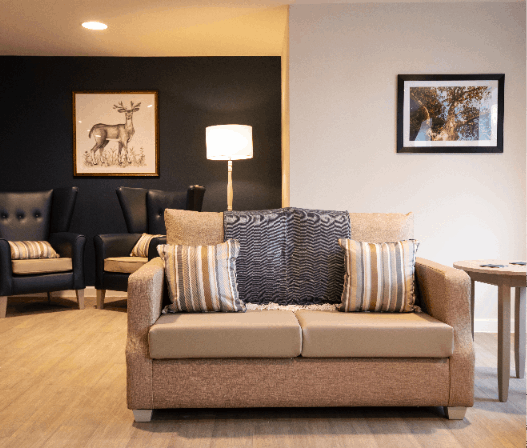
Balancing Disease-Modifying Therapies and Quality of Life at Maplebrook Care Home
Choosing the right care home or supported living with specialised MS care involves understanding the unique, evolving needs of the individual. With expert healthcare teams, flexible personalised support, and tailored living environments, people with MS can find safe, dignified, and hopeful pathways to live well with this neurological condition. To discuss how Maplebrook Care Home in Wolverhampton can support you or your loved one please contact us. We'd be delighted to give you a tour of our friendly home.